
A vessel’s electronics work in one of the harshest environments on earth. Fixing them when they fail is necessary. Keeping them from failing again is what protects the voyage.
Navigation, communication, propulsion control and power systems all depend on sensitive electronics that face salt, moisture, vibration and heat every day. A repair-only mindset treats each failure as a one-off event. A smarter approach treats it as a signal.
The sea is hard on electronics
- Salt and humidity: corrosion creeps into connectors, boards and cable terminations, even inside sealed cabinets.
- Vibration and shock: engine rooms and rough seas loosen joints, crack solder and fatigue components.
- Temperature swings: hot machinery spaces and cold, damp decks stress insulation and capacitors.
- Unstable power: voltage spikes, poor earthing and ageing batteries damage equipment silently.
Why repair-only is not enough
Replacing a burnt component restores function, but if corrosion, overheating or a power fault caused the failure, it will return. At sea, that return can mean a missed schedule, an emergency call-out or a costly port delay. Obsolete parts add another problem: many marine systems outlive their manufacturers’ support.
A complete marine electronics service
- Root-cause diagnostics: finding why the fault happened, not only what failed.
- Component-level repair: restoring boards and modules rather than replacing whole units.
- Protection and hardening: conformal coating, sealing and better connectors to resist moisture and corrosion.
- Upgrades and retrofits: replacing obsolete subsystems with modern, compatible alternatives.
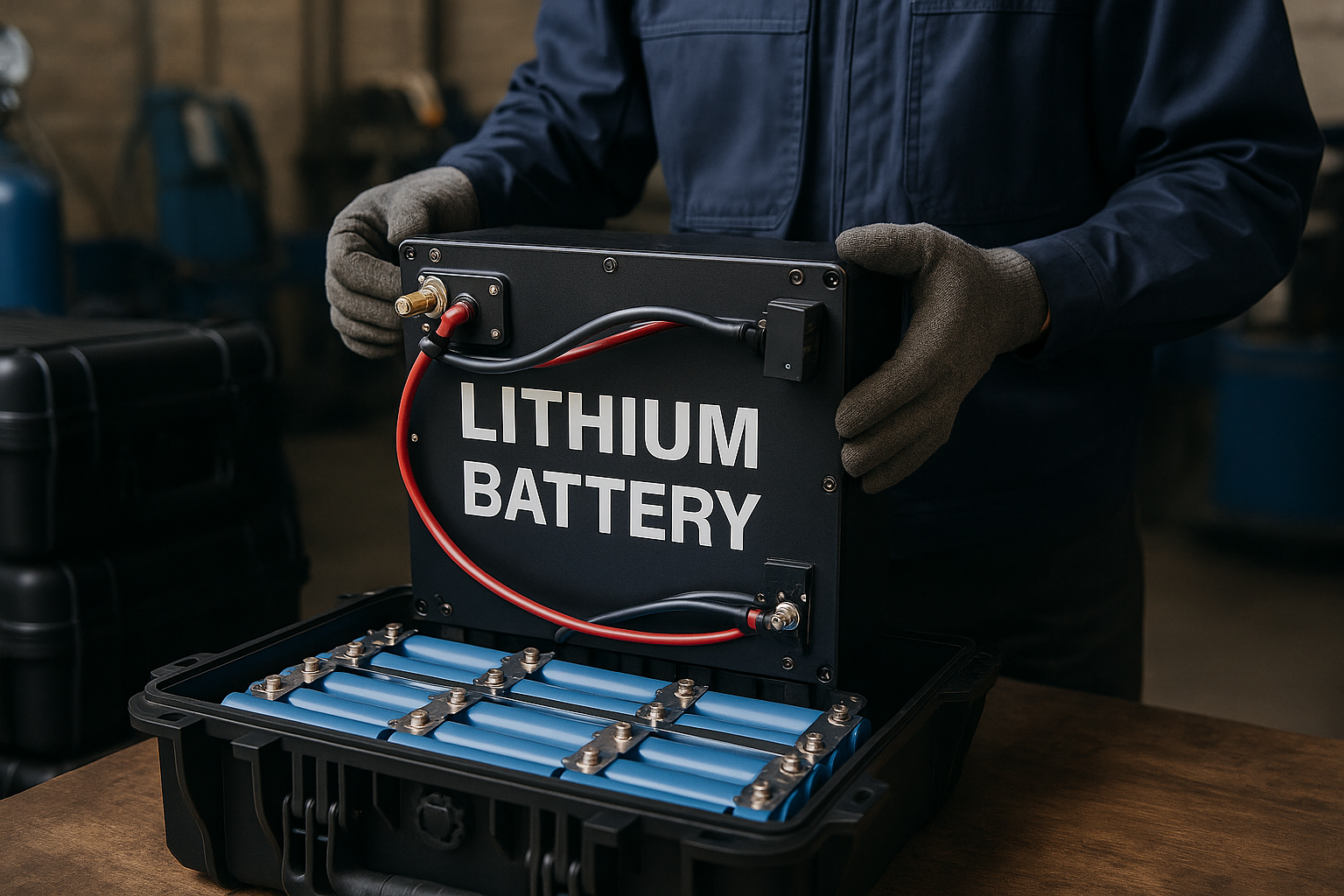
- Power systems: custom lithium packs and power conditioning for stable, efficient onboard energy.
- Documentation: clear service records that support survey and class requirements.
Systems we support
Navigation & Communication
Radar, GPS, radios and bridge electronics that keep vessels safe and connected.
Propulsion & Control
Control panels, drives and automation modules that keep machinery responding.
Power & Monitoring
Battery systems, chargers and monitoring units that supply the whole vessel.
Local support that shortens downtime
When a vessel is in port, every hour counts. With engineering teams in Saudi Arabia and partner hubs across the region and beyond, FTI shortens the path from fault to fix, avoiding long waits for overseas repair and spare parts. Where parts are obsolete, reverse engineering can rebuild what the market no longer supplies.
How to get started
- Describe the issue. Share the equipment, symptoms, vessel type and any service history.
- Diagnose. Our engineers identify the fault and the underlying cause.
- Repair and protect. We restore the unit and add protection against repeat failure.
- Test and document. Performance is verified and the work is recorded for your files.
The bottom line: marine electronics need more than repairs. They need engineering that understands the sea, fixes causes and plans for the next voyage.
← Back to all articles